
7 Best Scents for Sleep: Fragrances That Can Help You Relax
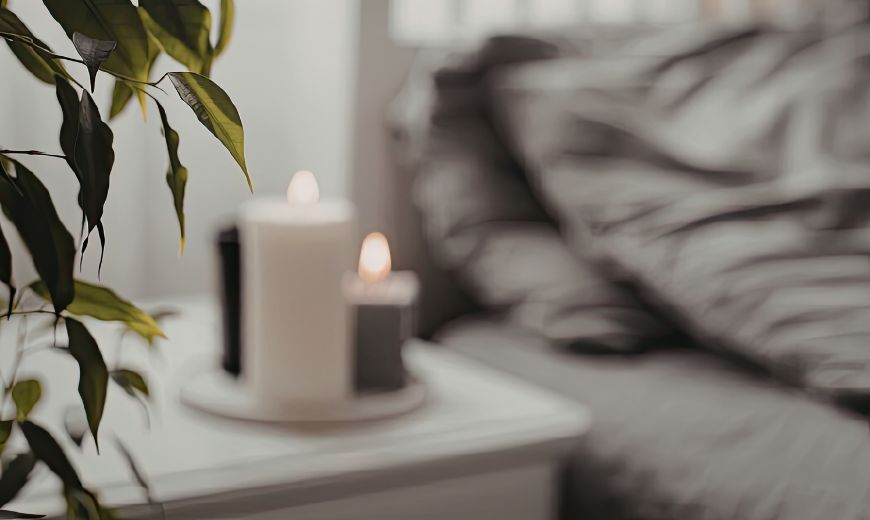
If you’ve ever walked into a luxury hotel room and instantly felt more relaxed, scent may have played a bigger role than you realise.
We all appreciate the importance of mattresses, pillows and bedroom temperature. Yet fragrance is one of the most powerful – and often overlooked – elements of a relaxing sleep environment.
Research suggests that certain scents may influence relaxation, stress levels and sleep quality by interacting with areas of the brain associated with emotion and memory. Studies have also found that smell and sleep appear to share a two-way relationship, with scent influencing sleep quality and sleep affecting how odours are processed and remembered.
According to the Dreams 2026 UK Sleep Survey, 37% of Britons say racing thoughts and a busy mind are one of the biggest barriers to falling asleep. For many people, the challenge isn’t getting into bed – it’s switching off once they get there. One possible answer to this may lie in what scents are introduced in the bedroom.
Why scent can affect sleep quality
Have you ever caught a familiar smell and instantly been transported back to a specific moment in your life?
Unlike our other senses, smell has a direct connection to the brain’s limbic system, the area associated with emotion and memory. That’s why certain fragrances can trigger feelings of comfort, calm or nostalgia almost instantly.
Research suggests that smell and sleep share a close relationship. While scent isn’t a magic solution for sleep problems, the right fragrance can become part of a relaxing bedtime routine, helping to create a calmer and more inviting sleep environment.
Why more people are turning to scent as part of their bedtime routine
More people than ever are looking for simple ways to improve their sleep quality.
The Dreams 2026 UK Sleep Survey found that 40% of Britons have tried some form of sleep aid, while pillow sprays and mists have become the nation’s most popular sleep product. At the same time, millions continue to struggle with stress, overthinking and difficulty switching off at night.
Unlike supplements or medications, scent can be incorporated into an existing bedtime routine with minimal effort. Whether through a diffuser, pillow spray, scented candle or linen mist, fragrance can help create a psychological cue that the day is ending and sleep is approaching.
The 7 best scents for bedtime
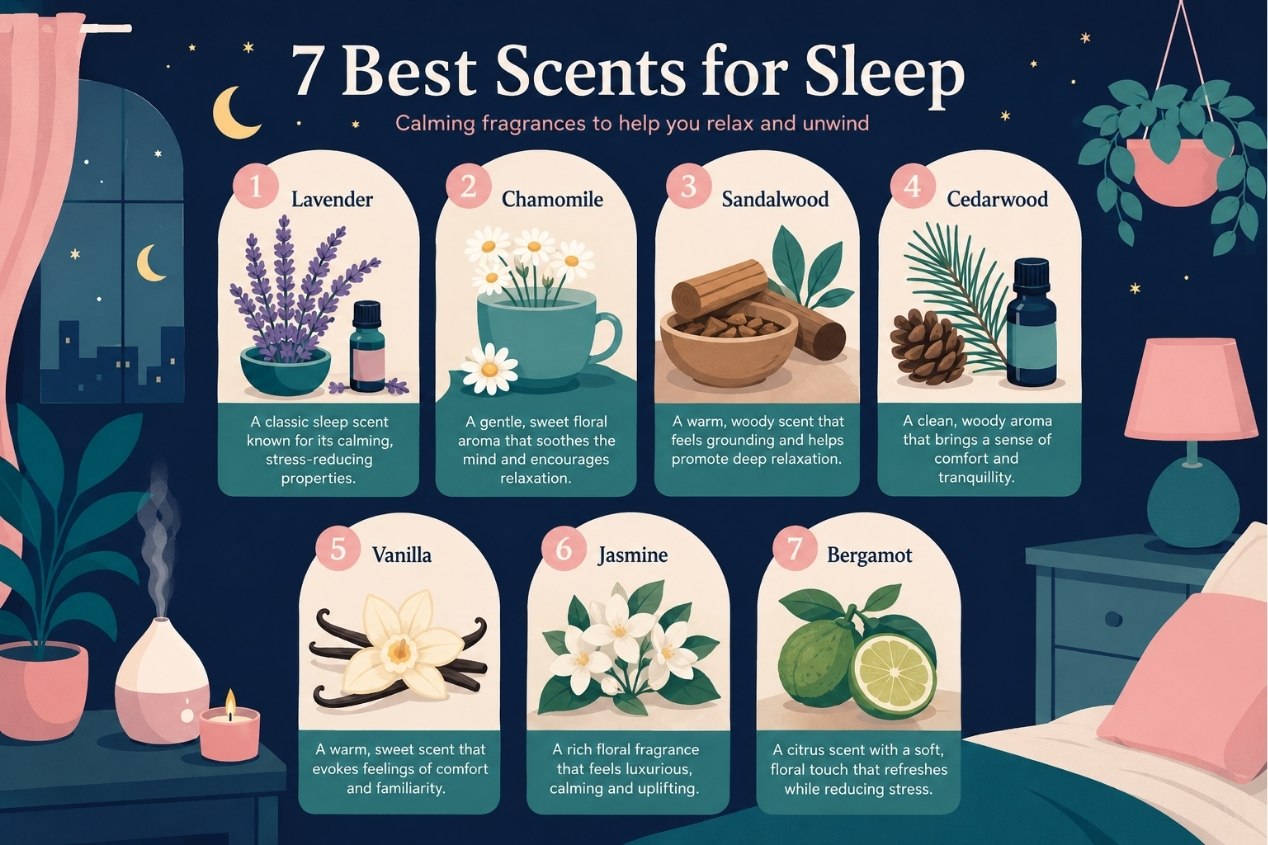
1. Lavender
Lavender is perhaps the most widely recognised sleep-promoting scent, and for good reason. Its gentle floral aroma has long been associated with relaxation and stress reduction.
Lavender is particularly popular among people who struggle to switch off after a busy day. It creates a calming atmosphere without being overpowering and works well in pillow sprays, diffusers, candles and bath products.
Interestingly, the Dreams survey found that pillow sprays and mists are now the UK’s most popular sleep aid, and lavender remains one of the most common fragrances used in these products.
2. Chamomile
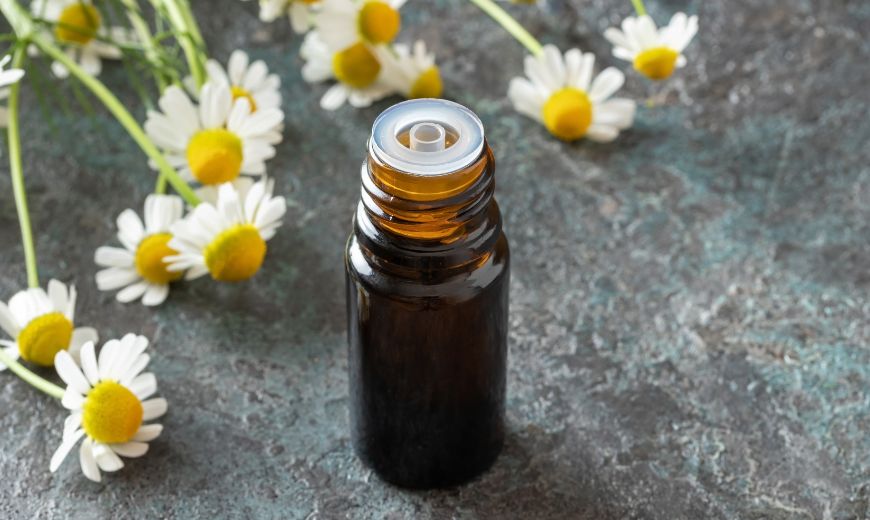 Most people associate chamomile with herbal tea, but its scent may also help encourage relaxation.
Chamomile has a soft, slightly sweet floral fragrance that many people find comforting and soothing. For those who find lavender too floral, chamomile often provides a gentler alternative.
It works particularly well as part of a wind-down routine, helping to create a clear distinction between the demands of the day and the transition into sleep.
3. Sandalwood

Sandalwood has a warm, woody aroma that many people find grounding and reassuring.
Unlike lighter floral fragrances, sandalwood provides a deeper scent profile that can help create a cosy and restful bedroom environment. It is frequently used in meditation and relaxation practices because of its calming qualities.
Sandalwood is especially popular among people who prefer earthy fragrances over traditional floral scents.
4. Cedarwood
Cedarwood is another woody scent commonly associated with comfort and relaxation.
Its clean, slightly smoky aroma can make a bedroom feel warm and tranquil without being heavy or overwhelming. Many luxury hotels and wellness retreats use cedarwood-based fragrances because of their comforting character.
For those who dislike sweet scents, cedarwood is often one of the best options available.
5. Vanilla
Vanilla is frequently associated with feelings of comfort, warmth and familiarity.
Because scent is closely linked to memory, vanilla often evokes positive emotional responses that can help people feel more relaxed before bed. The soft sweetness of vanilla tends to feel soothing rather than stimulating.
However, balance is important. Strong artificial vanilla fragrances can become overwhelming, so lightly scented products generally work best.
6. Jasmine
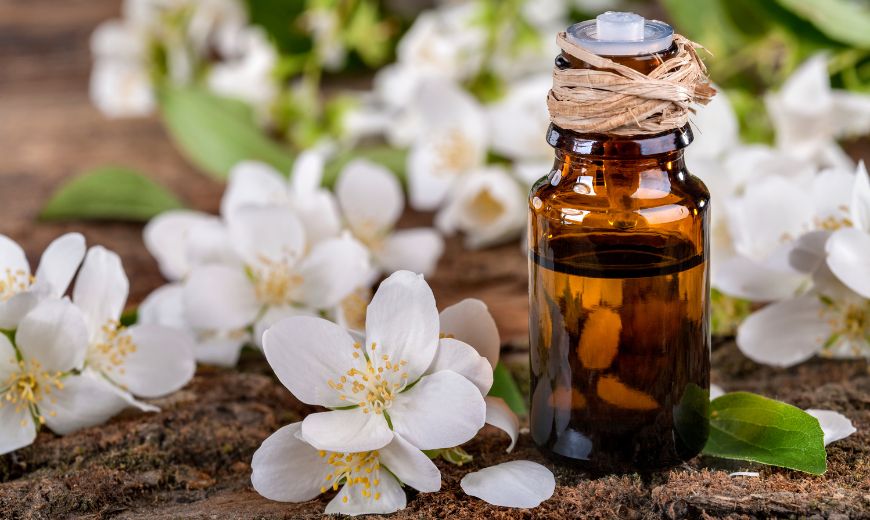
Jasmine offers a richer floral fragrance than lavender or chamomile.
Its aroma is often described as calming, luxurious and comforting. Because jasmine is naturally stronger than some other sleep scents, it is often most effective when used lightly through a diffuser or pillow spray.
For many people, jasmine strikes an ideal balance between relaxation and indulgence.
7. Bergamot
Although citrus scents are usually associated with energy and freshness, bergamot is somewhat different.
Bergamot combines bright citrus notes with softer floral and herbal undertones. This creates a fragrance that feels uplifting while still encouraging relaxation.
Many find bergamot particularly helpful when stress or overthinking make it difficult to switch off before bed.
How to use scents in the bedroom
Introducing scent into your sleep routine does not require expensive equipment or complicated rituals.
Popular options include:
- Essential oil diffusers
- Pillow sprays
- Linen sprays
- Reed diffusers
- Scented candles
- Aromatherapy bath products
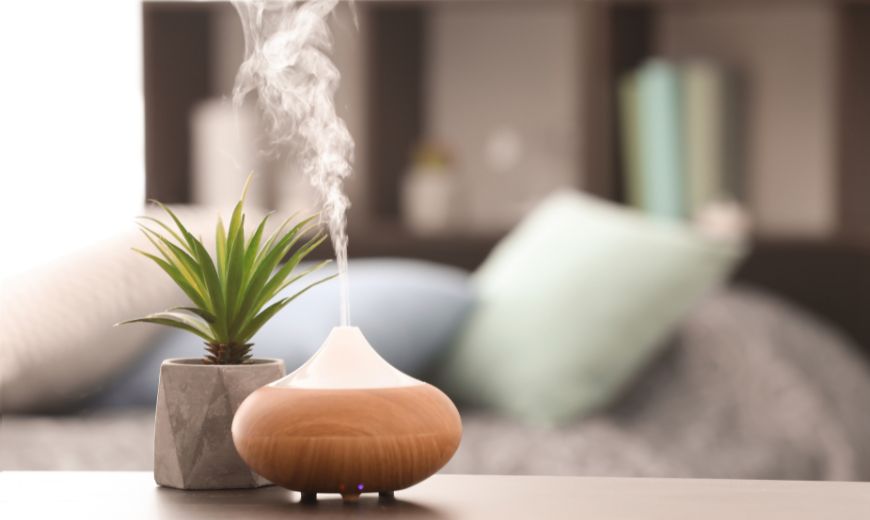
The key is consistency rather than intensity. Many people make the mistake of using fragrances that are too strong. A lightly scented room is generally far more relaxing than an overpowering one.
Scent tends to work best when paired with other relaxing bedtime habits. According to the Dreams 2026 UK Sleep Survey, reading is now Britain’s most popular pre-sleep activity. Combining a book with a calming scent such as lavender or chamomile can help create a consistent wind-down routine.
Can scent alone improve sleep?
Unfortunately, there is no single scent that guarantees a perfect night’s sleep.
The best results occur when fragrance is combined with healthy sleep habits, including maintaining a regular bedtime, limiting screen use before sleep, reducing noise and light, and keeping the bedroom cool.
Think of scent as a supporting element rather than a complete solution. The right fragrance can help create a calming atmosphere, but it works best alongside the fundamentals of good sleep, including a supportive mattress, comfortable bedding and a consistent bedtime routine.
Finding the best scent for you
While lavender is often considered the classic sleep fragrance, scent preferences are highly personal.
The most effective bedtime scent is often the one you associate with comfort, calmness and relaxation. Some people respond best to floral fragrances, while others prefer woody, earthy or lightly sweet aromas.

Experimenting with different scents can help you discover which fragrances make your bedroom feel most restful.
Frequently Asked Questions
Is lavender really the best scent for sleep?
Lavender is certainly the fragrance most commonly associated with sleep, but it isn’t necessarily the best choice for everyone. Some people prefer woody scents such as sandalwood or cedarwood, while others find bergamot or chamomile more relaxing. The most effective bedtime scent is often the one you personally associate with relaxation.
Do pillow sprays actually work?
Pillow sprays won’t solve long-term sleep problems, but they can become part of a consistent bedtime routine. Interestingly, the Dreams 2026 UK Sleep Survey found that pillow sprays and mists are now the UK’s most commonly used sleep aid, suggesting many people find them helpful as part of their wind-down ritual.
What is the best way to introduce scent into a bedroom?
Start small. A lightly scented pillow spray, reed diffuser or essential oil diffuser is usually enough. The goal isn’t to fill the room with fragrance but to create a subtle cue that signals bedtime is approaching.