
Soft, Medium or Firm Mattress Tensions Explained
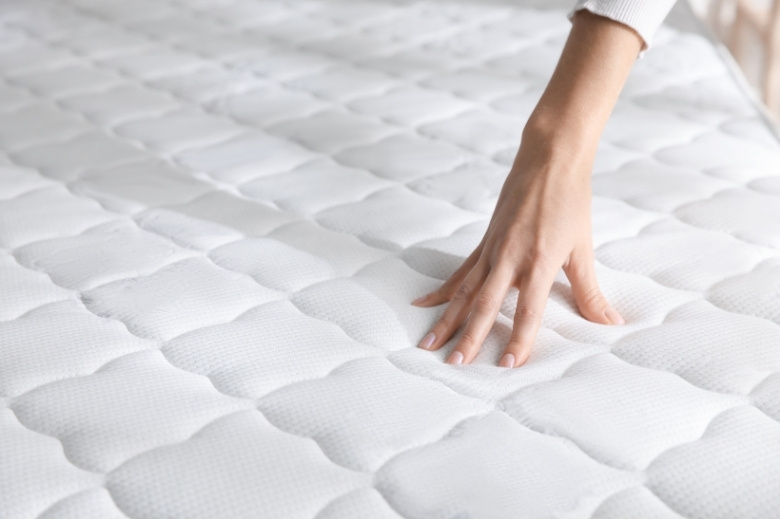
Choosing a new mattress isn’t just about deciding between memory foam, pocket springs or a hybrid. You’ll also need to choose the right mattress tension, commonly described as soft, medium, medium-firm or firm.
But what do these terms actually mean, and is a firmer mattress necessarily more supportive? In this guide, we explain the different mattress firmness levels, how they compare and what to consider when choosing the right tension for you.
Quick answer: There is no single mattress firmness that is right for everyone. Soft mattresses provide more cushioning and contouring, medium mattresses balance cushioning with a firmer feel, while firm mattresses provide a more solid sleeping surface with less sink.
Your preferred mattress tension can depend on your sleeping position, body weight and personal comfort preferences.
The construction of the mattress also matters, so two mattresses described as “medium” may not necessarily feel exactly the same.
What Is Mattress Firmness or Tension?
Mattress firmness describes how soft or firm the surface of a mattress feels when you lie on it. You may also see this referred to as mattress tension or comfort grade.
Firmness shouldn’t be confused with support. A firm mattress isn’t automatically more supportive than a softer one. Support refers to how well the mattress holds and responds to your body, whereas firmness describes how hard or soft the sleeping surface feels.
The materials and construction also influence this feel. Memory foam, latex, pocket springs and hybrid mattresses, for example, can all be available in different comfort grades.
Dreams’ guide to mattress types explains the differences between the main mattress constructions in more detail.
Mattress Firmness Scale Explained
Mattress firmness is sometimes measured using a 1–10 scale, with lower numbers generally representing a softer feel and higher numbers representing a firmer surface.

However, there is no single standard mattress firmness scale used by every UK manufacturer, so these ratings should be treated as a guide rather than an exact measurement. One manufacturer’s medium mattress may feel slightly softer or firmer than another’s.
Dreams, for example, rates soft mattresses at 1–3, medium at 4–6, firm at 7–8 and very firm at 9–10. You can see how these ratings are used in Dreams’ mattress firmness guide.
| Mattress Tension | Firmness Scale | General Feel | Typical Characteristics |
|---|---|---|---|
| Soft | 1–3 | Cushioned | More noticeable sink and contouring |
| Medium | 4–6 | Balanced | A combination of cushioning and firmness |
| Firm | 7–8 | Solid | Less sink and greater resistance |
| Very Firm | 9–10 | Very solid | Minimal give and a firmer surface feel |
The most useful approach is therefore to compare how mattresses actually feel rather than relying solely on a number.
Soft vs Medium vs Firm Mattresses
The difference between soft, medium and firm mattresses comes down largely to how they feel when you lie on them and how much you sink into the surface.
Soft Mattress
Soft mattresses have more give, so you tend to sink further into the upper comfort layers. The result is a more cushioned feel, with the mattress following the shape of your body more closely.
This extra cushioning can be welcome around the shoulders and hips, particularly when sleeping on your side. Body weight makes a difference too: lighter sleepers may find a softer mattress comfortable without sinking as far into it as someone heavier.
Medium Mattress
A medium mattress falls somewhere between the cushioned feel of a soft mattress and the more solid feel of a firm one.
For many people, that’s the appeal. You still get some give from the surface without sinking as deeply as you would on a softer mattress. Medium tension can also be worth considering if you change sleeping positions regularly or share a bed with someone whose firmness preference isn’t quite the same as yours.
Medium-Firm Mattress
Medium-firm sits a step above medium in terms of firmness, but still has more give than a firm mattress.
It can be a good option if medium feels a little too yielding but firm feels like too big a jump. Just bear in mind that these labels aren’t identical from one manufacturer to another. One brand’s medium-firm mattress may feel noticeably different from another’s, so check the individual product rather than relying on the label alone.
Firm Mattress
Firm mattresses don’t compress as readily under your weight, so you’ll usually stay closer to the surface rather than sinking deeply into the comfort layers.
That more solid feel appeals to some back and front sleepers, and heavier sleepers may also find that they sink less than they would on a softer model. But going firmer isn’t automatically the right move. Comfort is personal, and the firmest mattress in the shop won’t necessarily be the most comfortable one for you.
Firm or Medium-Firm Mattress: What’s the Difference?
If you’re deciding whether to choose a firm or medium-firm mattress, the main difference is how much the sleeping surface gives beneath your body.
A medium-firm mattress generally offers a balance of cushioning and resistance, allowing more contouring around the body. A firm mattress compresses less noticeably and provides a more solid sleeping surface.
| Medium-Firm | Firm | |
|---|---|---|
| Overall Feel | Balanced with some cushioning | More solid |
| Sink | Moderate | Lower |
| Contouring | More noticeable | Less noticeable |
| Surface Give | Moderate | Lower |
Neither option is inherently better. A medium-firm mattress may feel sufficiently firm to a lighter sleeper but noticeably softer to someone with a heavier build.
Your body weight, sleeping position and personal comfort preferences should therefore all be considered when choosing between a firm or medium-firm mattress.
What Mattress Firmness Should I Choose?
There’s no firmness level that works best for everybody. Start with how you normally sleep, how the mattress responds to your weight and, importantly, what actually feels comfortable to you.
1. Your Sleeping Position
How you sleep can make a difference to the amount of cushioning you want from a mattress.
Side sleepers often look for enough give to cushion the shoulders and hips. This is one reason soft through to medium-firm mattresses are commonly considered for this sleeping position.

Dreams goes into this in more detail in its guide to mattresses for side sleepers.
Back sleepers often favour the middle-to-firmer end of the range. Front sleepers may also prefer a firmer feel, particularly if a softer mattress allows the middle of the body to sink further than feels comfortable.
2. Your Body Weight and Build
Two people can try exactly the same mattress and come away with very different opinions about how firm it feels.
Someone lighter won’t usually compress the upper layers as much, which can make the mattress feel firmer. With more weight pressing into the surface, those same layers compress further and the mattress can feel softer.
So a firmness label is a useful starting point, but it doesn’t tell you exactly how that mattress will feel to you.
3. Your Comfort Preference
There’s also the simple question of what you like sleeping on. Some people enjoy the solid feel of a firmer mattress; others sleep more comfortably with extra cushioning and give.
Dreams’ guide to choosing a mattress looks at firmness alongside factors such as body type and sleeping position if you want to explore these considerations in more detail.
4. Sharing a Mattress
If you share your bed, you also have another person’s preferences to consider.
A medium mattress can provide a useful compromise, but this won’t suit every couple. Where your preferred firmness levels differ significantly, a mattress offering different tensions on each side may be another option.
Mattress Firmness FAQs
Will a Firm Mattress Get Softer Over Time?
A firm mattress can feel a little different after you’ve slept on it for a while. With use, the upper layers may settle and lose some of that brand-new firmness.
How noticeable this is varies between mattresses because materials respond differently to regular use. A small amount of settling is also very different from the obvious dips or sagging that can develop as an older mattress wears out.
Can You Have Different Mattress Firmness on Each Side?
Yes. Split-tension or dual-firmness mattresses are designed with a different tension on each side of the bed.

They’re particularly useful when two people like very different mattress feels or have different body weights and sleeping positions. Rather than one person compromising on firmness, each side can provide a more suitable feel.
Is a Soft or Firm Mattress Better for Back Pain?
There isn’t one mattress firmness that’s right for everybody with back pain, and choosing an extra-firm mattress isn’t automatically the answer.
What feels comfortable will vary with the individual, their sleeping position, body build and the way the mattress is constructed. If back pain is persistent, severe or getting worse, it’s best to seek medical advice rather than relying on a change of mattress to solve it.
Final Thoughts
The main difference between soft, medium and firm mattresses is how they feel beneath you — from a more cushioned, contouring surface to one with noticeably less give.
Your sleeping position and body weight are useful starting points, but don’t let the firmness label make the decision for you. Ratings vary between manufacturers, and comfort is highly individual.
If you can, try the mattress before buying. How it feels when you’re lying in your usual sleeping position will tell you far more than the words “soft”, “medium” or “firm” on the label.