
What Is a Pillow Top Mattress? Pros and Cons Explained
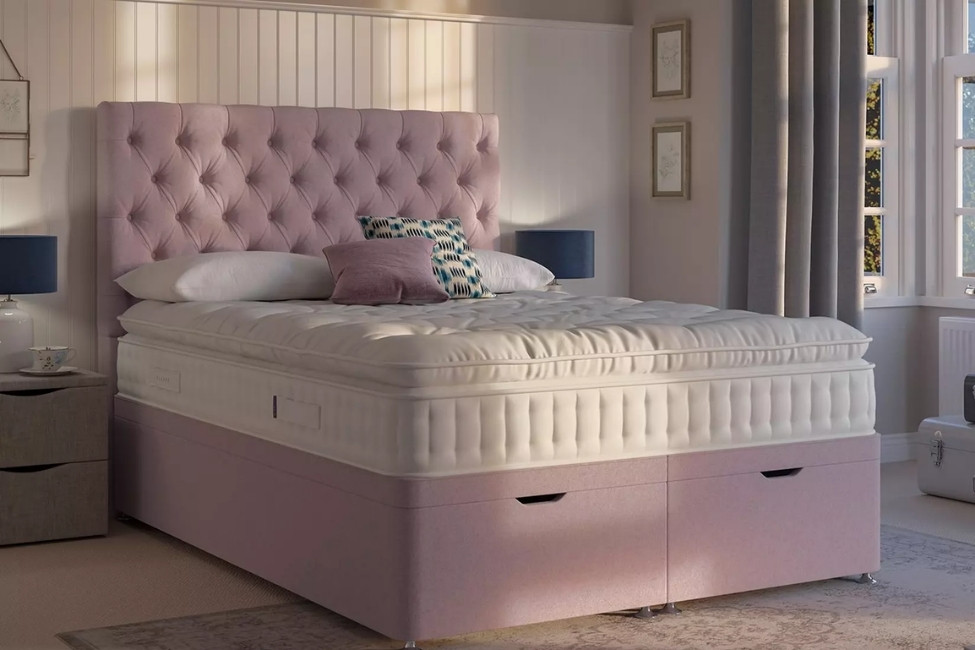
If you like the plush, cushioned feel of a hotel bed, you may have come across a pillow top mattress while shopping for your next mattress. Easily recognised by the additional padded layer on its surface, a pillow top is designed to add an extra level of comfort without changing the support system underneath.
But does a pillow top make a mattress softer, is it the same as adding a mattress topper, and are there any disadvantages to consider?
Quick answer: A pillow top mattress has an additional cushioned comfort layer attached to the top of the mattress, creating its distinctive raised, pillow-like appearance. The pillow top can contain materials such as memory foam, latex, polyester or natural fibres and is designed to provide extra cushioning.
Although pillow tops often feel plush at the surface, they aren’t necessarily soft mattresses.
The overall comfort grade can range from soft to firm depending on the fillings and support system beneath the pillow top. Dreams’ own pillow top mattress range includes mattresses in a variety of comfort grades.
What Is a Pillow Top Mattress?
A pillow top mattress is a mattress with an extra padded comfort layer permanently attached to its upper surface. It looks a little like a mattress topper sitting on top of the mattress, but unlike a separate topper, the pillow top is part of the mattress and cannot normally be removed.
This distinction is important because “pillow top” describes the design of the mattress rather than its firmness or support system.
Pillow tops can be combined with pocket springs and a variety of different fillings, and they can come in different comfort grades.
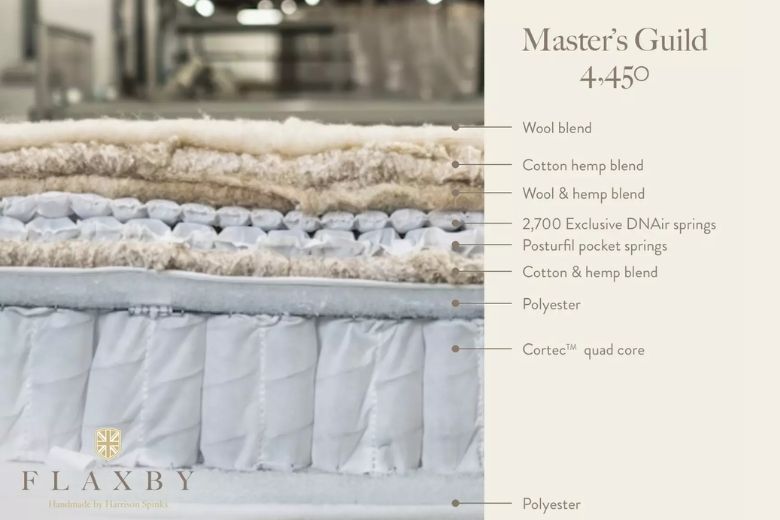
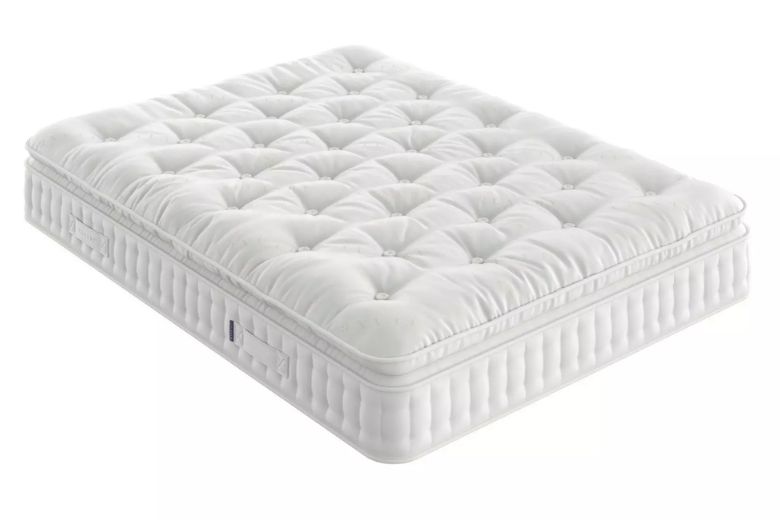
For example, Dreams’ Flaxby Masters Guild 4450 Pillow Top Mattress is available in different comfort grades (medium or firm) and uses natural fillings in its construction. This shows that a pillow top can provide a cushioned surface without automatically making the overall mattress soft.
How Is a Pillow Top Mattress Made?
A mattress usually contains a support layer, comfort layers and a cover. The support core may consist of springs or foam, while comfort layers can include materials such as memory foam, latex, gel and natural or synthetic fibres.
With a pillow top mattress, an additional cushioned section sits above the main mattress body. Depending on the mattress, this can contain memory foam, latex, wool, cotton, polyester or other comfort fillings.
| Pillow top filling | Typical characteristics |
|---|---|
| Memory foam | Contours closely to the body and provides a cushioned feel |
| Latex | Responsive and cushioning, with more bounce than memory foam |
| Wool | Naturally soft and breathable, often used in premium mattresses |
| Cotton | Soft, breathable natural fibre used within comfort layers |
| Polyester / synthetic fibres | Soft, lightweight cushioning used in a wide range of mattresses |
This extra layer also adds to the overall mattress depth. Pillow top mattresses are typically around 11–14 inches (28–35cm) deep, although this varies between models, with the pillow top itself adding around 2 inches (5cm).
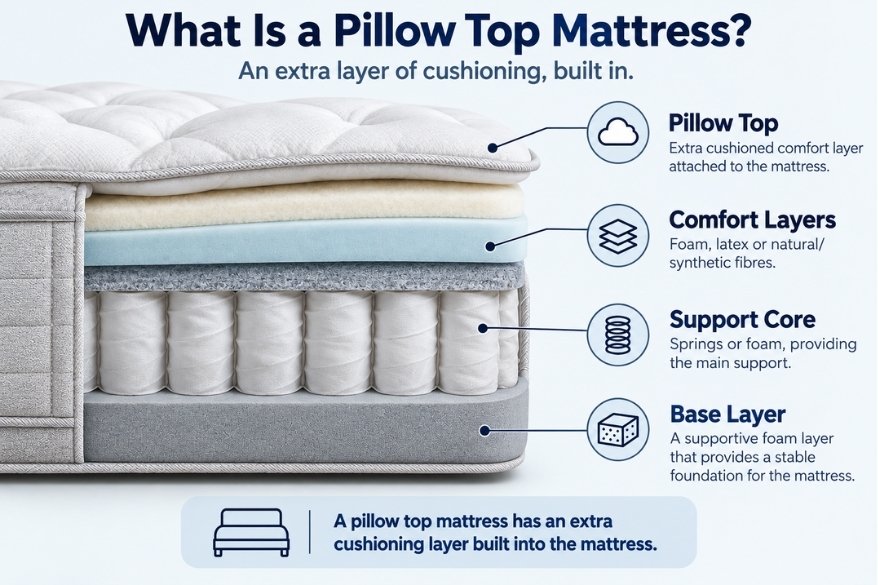
The materials and construction can affect both the feel and depth of the finished mattress, so two pillow top mattresses won’t necessarily feel alike. Dreams’ mattress types guide explains the characteristics of common mattress fillings and constructions in more detail.
Are Pillow Top Mattresses Good?
Pillow top mattresses are a good option if you like a little extra cushioning when you first lie down. That doesn’t mean you’ll necessarily be getting a soft mattress, though.
The pillow top only describes the extra comfort layer at the surface. Underneath, the mattress can still have a medium, medium-firm, firm or extra firm feel.
Some of the reasons you might choose a pillow top mattress include:
- Extra surface cushioning – the padded upper layer gives the mattress a softer, more cushioned feel when you first lie down.
- A plush, luxurious feel – pillow tops are often associated with the comfortable, inviting feel of hotel-style beds.
- Cushioning around pressure points – depending on the fillings used, the pillow top can provide extra cushioning around areas such as the shoulders and hips.
- Built-in comfort layer – the additional cushioning is part of the mattress, so there’s no need to add a separate mattress topper.
However, a pillow top is only one part of the mattress. Its fillings, spring or foam system and comfort grade will give you a much better idea of what it will actually feel like to sleep on.
Not sure which comfort grade to choose? Dreams’ mattress firmness guide explains the differences between soft, medium, firm and very firm mattresses.
Are There Any Problems With Pillow Top Mattresses?
Pillow top mattresses aren’t right for everyone, and there are a few practical considerations to bear in mind.
Because the pillow top is permanently attached, it can’t simply be removed or replaced if the upper layer begins to show signs of wear.
Soft fillings can also settle or compress with use, although how quickly this happens will depend on the materials, construction, mattress quality and how it is cared for.
Pillow top mattresses are also commonly single-sided. This means you generally can’t flip them over and sleep on the other side as you can with double-sided mattresses.
Their additional cushioning can also increase the overall mattress depth, potentially requiring deeper fitted sheets and increasing the finished height of the bed.
Finally, not everyone likes a plush surface. If you prefer a flatter, firmer feel when you first lie down, a pillow top may not be your preferred mattress style.
Pillow Top vs Euro Top: What’s the Difference?
It’s easy to confuse pillow tops and Euro tops because both add an extra layer of cushioning near the surface. The main difference is how that layer is finished around the edges.
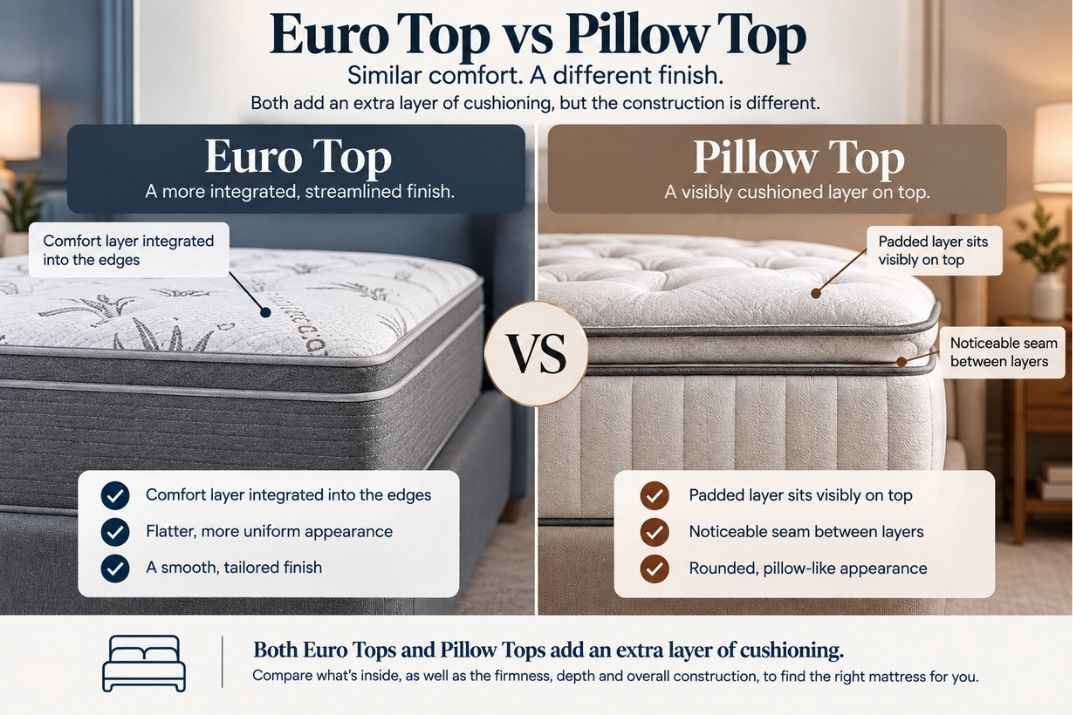
With a traditional pillow top, the padded section sits visibly above the mattress and you’ll usually see a seam where the two meet. It’s this construction that gives the mattress its familiar “pillow on top” look.
A Euro top is finished more neatly into the sides of the mattress. As a result, it tends to look flatter at the edges and more like one continuous mattress.
There’s some variation in how manufacturers use these terms, so don’t choose between two mattresses based on the label alone. Compare what’s actually inside them, as well as their firmness, depth and overall construction.
Can You Flip a Pillow Top Mattress?
Pillow top mattresses are designed to be single-sided and shouldn’t be flipped, as the pillow top is only attached to the sleeping surface.
That doesn’t necessarily mean they require no maintenance. Many single-sided mattresses should still be rotated from head to foot periodically to encourage more even wear.
Always check the care instructions for your individual mattress, as recommendations can differ between manufacturers and models. Dreams also has a broader bed and mattress guide covering mattress care and other practical buying advice.
Is a Pillow Top Mattress Right for You?
A pillow top mattress could be worth considering if you enjoy an extra-cushioned, luxurious surface feel but still want to choose the support system and comfort grade that suits you.
Remember that the words “pillow top” tell you only about part of the mattress construction. Look at the firmness, fillings, support system, overall depth and care requirements too.
If you like the idea of built-in cushioning, explore Dreams’ pillow top mattresses to compare different fillings, spring systems and comfort grades.